
 +44 7459 302492
 training@uplatz.com





( 10 Students )


DataOps Practices
Master DataOps principles to design, automate, monitor, and govern high-quality data pipelines across analytics, AI, and enterprise data platforms. Price Match Guarantee
Full Lifetime Access
Access on any Device
Technical Support
Secure Checkout
Course Completion Certificate
Price Match Guarantee
Full Lifetime Access
Access on any Device
Technical Support
Secure Checkout
Course Completion Certificate
 97% Started a new career
BUY THIS COURSE (
97% Started a new career
BUY THIS COURSE (GBP 10 GBP 29 )-
 86% Got a pay increase and promotion
Students also bought -
-

- Airbyte
- 10 Hours
- GBP 10
- 10 Learners
-
- dbt (Data Build Tool)
- 10 Hours
- GBP 10
- 10 Learners
-
- Prefect
- 10 Hours
- GBP 10
- 10 Learners
As organizations become increasingly data-driven, the reliability, speed, and quality of data pipelines directly determine business success. Modern companies ingest data from hundreds of sources, transform it continuously, and deliver it to analytics dashboards, machine learning models, and operational systems. Yet many teams struggle with fragile pipelines, delayed data, broken dashboards, inconsistent metrics, and slow delivery cycles. This gap between data ambition and data reliability is where DataOps plays a critical role.
DataOps is a set of practices, principles, and cultural approaches that bring automation, observability, collaboration, and governance to the entire data lifecycle. Inspired by DevOps and Agile methodologies, DataOps focuses on accelerating data delivery while ensuring data quality, security, and trust. It aligns data engineers, analytics engineers, data scientists, platform teams, and business stakeholders around shared workflows, metrics, and tooling.
The DataOps Practices course by Uplatz provides a comprehensive and practical guide to implementing DataOps across modern data stacks. This course goes beyond theory and shows how DataOps works in real-world environments using tools such as Airbyte, dbt, Airflow, Prefect, Dagster, Great Expectations, OpenLineage, Monte Carlo, Prometheus, Grafana, and cloud-native services. Learners will understand how to design resilient pipelines, automate testing and validation, manage schema changes, track lineage, monitor performance, and respond quickly to data incidents.
🔍 What Is DataOps?
DataOps is an operational discipline that improves communication, integration, and automation across data pipelines. It covers the full data lifecycle:
-
Data ingestion and replication
-
Transformation and modeling
-
Validation and quality assurance
-
Orchestration and scheduling
-
Monitoring and observability
-
Incident management and recovery
-
Governance, security, and compliance
Unlike traditional data engineering, which often relies on manual processes and siloed teams, DataOps emphasizes continuous integration, continuous testing, continuous deployment, and continuous monitoring for data systems.
⚙️ How DataOps Works
DataOps optimizes every stage of the data lifecycle through automation and feedback loops:
1. Automated Ingestion & Integration
DataOps promotes reliable ingestion using standardized tools and connectors. Pipelines are versioned, repeatable, and observable, reducing manual intervention and errors.
2. CI/CD for Data Pipelines
Just like application code, data pipelines are:
-
Version-controlled
-
Tested automatically
-
Deployed through CI/CD pipelines
This enables rapid iteration without breaking downstream systems.
3. Data Quality & Testing
DataOps integrates automated testing at every stage:
-
Schema validation
-
Null checks
-
Range and distribution tests
-
Freshness checks
-
Volume and anomaly detection
4. Orchestration & Dependency Management
Modern schedulers manage complex dependencies between ingestion, transformation, and consumption layers, ensuring data arrives in the right order and on time.
5. Observability & Monitoring
DataOps introduces observability across:
-
Pipeline health
-
Data freshness
-
Volume anomalies
-
Schema drift
-
SLA compliance
6. Incident Response & Recovery
When data issues occur, DataOps provides:
-
Alerts and notifications
-
Root-cause analysis
-
Automated rollback and reprocessing
-
Clear ownership and accountability
🏭 Where DataOps Is Used in the Industry
DataOps has become essential across industries that depend on reliable data.
1. Technology & SaaS
Ensures trustworthy product analytics, usage metrics, and customer insights.
2. Finance & Banking
Supports regulatory reporting, fraud detection, and risk analytics with strict data quality requirements.
3. Healthcare & Life Sciences
Maintains accuracy and freshness of clinical, operational, and research data.
4. Retail & E-commerce
Powers pricing, inventory optimization, personalization, and marketing attribution.
5. Manufacturing & IoT
Handles high-volume sensor data and operational analytics pipelines.
6. AI & Machine Learning
Ensures training and inference pipelines receive clean, validated, and reproducible data.
Organizations adopt DataOps to reduce downtime, improve trust in analytics, and accelerate innovation.
🌟 Benefits of Learning DataOps Practices
By mastering DataOps, learners gain:
-
Ability to build reliable and scalable data pipelines
-
Skills in automated testing and data quality assurance
-
Expertise in orchestration and workflow automation
-
Strong understanding of data observability and monitoring
-
Faster data delivery with reduced failures
-
Alignment between engineering, analytics, and business teams
-
High-demand skills for modern data platform roles
DataOps skills are now considered essential for mature data organizations.
📘 What You’ll Learn in This Course
You will explore:
-
Core principles of DataOps and how it differs from traditional data engineering
-
Designing CI/CD pipelines for data workflows
-
Implementing automated data quality checks
-
Managing schema changes and data contracts
-
Orchestrating pipelines using modern schedulers
-
Monitoring pipelines with metrics, logs, and alerts
-
Implementing data lineage and impact analysis
-
Handling incidents and ensuring fast recovery
-
Applying governance, security, and compliance practices
-
Building a complete DataOps-enabled data platform
🧠 How to Use This Course Effectively
-
Start with understanding DataOps culture and principles
-
Practice version control and CI/CD for pipelines
-
Implement data tests early and often
-
Monitor pipeline health and SLAs
-
Simulate failures and practice incident response
-
Complete the capstone: build a fully observable DataOps pipeline
👩💻 Who Should Take This Course
-
Data Engineers
-
Analytics Engineers
-
Data Platform Engineers
-
MLOps Engineers
-
BI Developers
-
Cloud Engineers
-
Data Scientists working with production data
Basic SQL and Python knowledge is helpful but not mandatory.
🚀 Final Takeaway
DataOps transforms data pipelines from fragile, manual systems into reliable, automated, and observable platforms. By mastering DataOps practices, you gain the ability to deliver high-quality data faster, reduce operational risk, and build trust in analytics and AI systems across the organization.
By the end of this course, learners will:
-
Understand DataOps principles and lifecycle
-
Build CI/CD pipelines for data workflows
-
Implement automated data quality testing
-
Orchestrate and monitor complex pipelines
-
Handle schema changes and data incidents
-
Apply governance and compliance practices
-
Design scalable, production-grade data platforms
Course Syllabus
Module 1: Introduction to DataOps
-
Evolution from ETL to DataOps
-
DataOps vs DevOps vs MLOps
Module 2: Modern Data Stack
-
Ingestion, transformation, orchestration
-
Cloud-native architectures
Module 3: CI/CD for Data Pipelines
-
Version control
-
Automated testing
-
Deployment workflows
Module 4: Data Quality & Validation
-
Data tests
-
Anomaly detection
-
Freshness checks
Module 5: Orchestration & Scheduling
-
DAG design
-
Dependency management
Module 6: Observability & Monitoring
-
Metrics, logs, alerts
-
SLAs and SLOs
Module 7: Schema Management & Data Contracts
-
Schema evolution
-
Backward compatibility
Module 8: Incident Management
-
Alerting
-
Root-cause analysis
-
Recovery strategies
Module 9: Governance, Security & Compliance
-
Access control
-
Auditing
-
Regulatory considerations
Module 10: Capstone Project
-
Build an end-to-end DataOps-enabled data pipeline
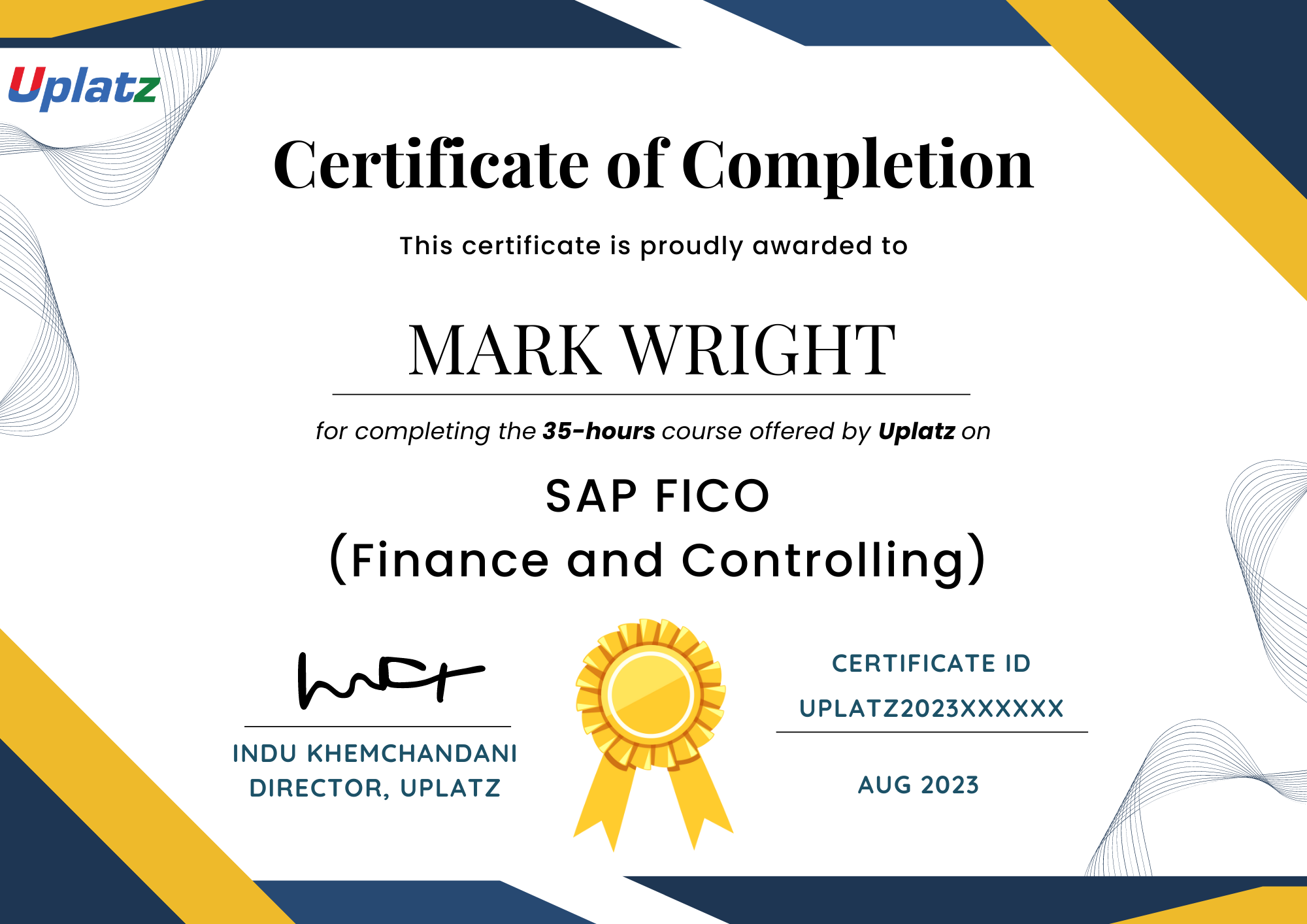
Learners receive a Uplatz Certificate in DataOps Practices, validating expertise in automated, reliable, and scalable data operations.
This course prepares learners for roles such as:
-
Data Engineer
-
Analytics Engineer
-
Data Platform Engineer
-
MLOps Engineer
-
Data Reliability Engineer
-
Cloud Data Architect
1. What is DataOps?
A set of practices that automate and improve the reliability and delivery of data pipelines.
2. How does DataOps differ from DevOps?
DataOps focuses on data quality, pipelines, and analytics, while DevOps focuses on application delivery.
3. Why is DataOps important?
It reduces pipeline failures, improves data quality, and accelerates data delivery.
4. What is data observability?
Monitoring data freshness, volume, schema, and distribution to detect issues early.
5. What tools support DataOps?
Airflow, dbt, Airbyte, Great Expectations, Dagster, Prometheus, Grafana.
6. What is CI/CD for data?
Applying version control, testing, and automated deployment to data pipelines.
7. How does DataOps support AI?
By ensuring ML pipelines receive clean, reliable, and reproducible data.
8. What is schema drift?
Unexpected changes in data structure that can break pipelines.
9. What is a data incident?
Any event that causes incorrect, missing, or delayed data.
10. How do you improve data reliability?
Through automation, testing, monitoring, and clear ownership.