
 +44 7459 302492
 training@uplatz.com





( 10 Students )


Serverless AI Architecture
Learn how to design, deploy, and operate AI and machine learning systems using serverless architecture for scalability, cost efficiency, and rapid inn Price Match Guarantee
Full Lifetime Access
Access on any Device
Technical Support
Secure Checkout
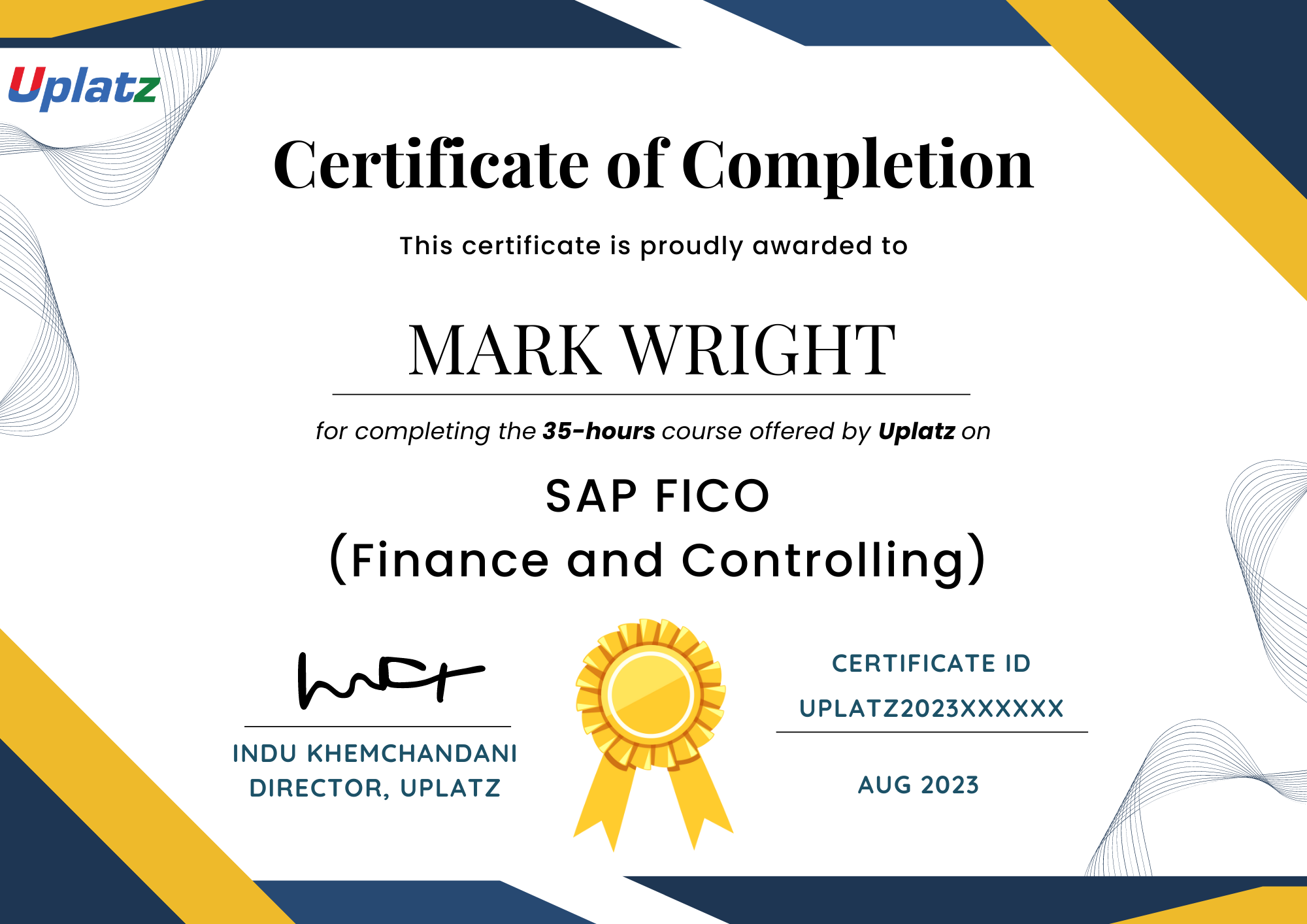
Course Completion Certificate
Price Match Guarantee
Full Lifetime Access
Access on any Device
Technical Support
Secure Checkout
Course Completion Certificate
 97% Started a new career
BUY THIS COURSE (
97% Started a new career
BUY THIS COURSE (GBP 10 GBP 29 )-
 86% Got a pay increase and promotion
Students also bought -
-
- MLOps
- 10 Hours
- GBP 10
- 10 Learners
-
- FastAPI
- 10 Hours
- GBP 10
- 10 Learners
-
- Data Engineering
- 10 Hours
- GBP 10
- 10 Learners
-
Compute resources are provisioned automatically
-
Scaling happens transparently
-
Billing is usage-based
-
Infrastructure management is abstracted away
-
Function-as-a-Service (FaaS) for inference and processing
-
Managed ML platforms for training and deployment
-
Event-driven triggers for data and model workflows
-
Managed storage, messaging, and databases
-
API requests
-
File uploads
-
Database changes
-
Streaming data
-
Scheduled triggers
-
Stateless functions
-
Managed inference endpoints
-
Container-based serverless services
-
Data ingestion
-
Feature extraction
-
Validation and enrichment
-
Step-based orchestration services
-
Event chains
-
Managed schedulers
-
Automatic logging
-
Distributed tracing
-
Metrics and alerts
-
Ability to design scalable AI systems without servers
-
Expertise in cloud-native AI architecture
-
Cost-efficient deployment strategies
-
Faster development and iteration cycles
-
High availability and fault tolerance
-
Skills aligned with modern cloud platforms
-
Strong foundation for AI system design roles
-
Core principles of serverless computing
-
AI-specific serverless design patterns
-
Event-driven ML workflows
-
Serverless inference architectures
-
Data pipelines for AI systems
-
Orchestration and workflow automation
-
Cost optimization strategies
-
Security and governance in serverless AI
-
Observability and monitoring for AI workloads
-
Designing production-ready serverless AI systems
-
Start with serverless fundamentals
-
Understand AI workload characteristics
-
Practice designing event-driven architectures
-
Experiment with serverless inference patterns
-
Learn cost and performance trade-offs
-
Apply architectural best practices
-
Complete the capstone: design a full serverless AI system
-
Machine Learning Engineers
-
AI Engineers
-
Cloud Architects
-
Backend Engineers
-
Data Engineers
-
MLOps Engineers
-
Students learning AI system design
By the end of this course, learners will be able to:
-
Understand serverless computing principles
-
Design AI systems using serverless architecture
-
Build event-driven ML workflows
-
Deploy serverless inference solutions
-
Integrate AI services with cloud-native tools
-
Optimize performance and cost
-
Apply security and governance best practices
Course Syllabus
Module 1: Introduction to Serverless Computing
-
Evolution of cloud architecture
-
Serverless fundamentals
Module 2: AI Workloads in Serverless Environments
-
Characteristics of AI workloads
-
Stateless vs stateful processing
Module 3: Serverless Inference Patterns
-
API-based inference
-
Batch and event-driven inference
Module 4: Data Pipelines for Serverless AI
-
Ingestion and preprocessing
-
Feature pipelines
Module 5: Orchestration & Workflow Automation
-
Step-based orchestration
-
Event chaining
Module 6: Cost & Performance Optimization
-
Cold starts
-
Scaling strategies
Module 7: Security & Governance
-
IAM and access control
-
Data privacy considerations
Module 8: Observability & Monitoring
-
Logs, metrics, traces
-
Reliability engineering
Module 9: Architecture Patterns & Case Studies
-
Real-world examples
Module 10: Capstone Project
-
Design a full serverless AI architecture
Learners receive a Uplatz Certificate in Serverless AI Architecture, validating expertise in cloud-native AI system design and deployment.
This course prepares learners for roles such as:
-
AI Architect
-
Cloud AI Engineer
-
Machine Learning Engineer
-
MLOps Engineer
-
Backend Engineer (AI Systems)
-
Solutions Architect
1. What is serverless AI architecture?
An AI system design that uses managed, on-demand cloud services without managing servers.
2. Why use serverless for AI?
For automatic scaling, cost efficiency, and reduced operational overhead.
3. What workloads fit serverless AI best?
Event-driven, bursty, and on-demand inference workloads.
4. What is FaaS?
Function-as-a-Service — serverless functions triggered by events.
5. What are cold starts?
Startup delays when a serverless function is invoked after inactivity.
6. How is scaling handled in serverless AI?
Automatically by the cloud provider based on incoming events or requests.
7. Is serverless suitable for training models?
Mostly for small or orchestration tasks; large training often uses managed ML services.
8. How is cost calculated in serverless systems?
Based on execution time, memory usage, and number of invocations.
9. How do you monitor serverless AI systems?
Using logs, metrics, traces, and managed observability tools.
10. What is an event-driven architecture?
A system where actions are triggered by events rather than continuous processes.