
 +44 7459 302492
 training@uplatz.com





( 586 Students )


Career Path - Data Product Manager
From Data Insights to Product Impact – Your Guide to Becoming a Data Product Manager. Learn about Data, Strategy, and Product Innovation. Price Match Guarantee
Full Lifetime Access
Access on any Device
Technical Support
Secure Checkout
Course Completion Certificate
 88% Started a new career
BUY THIS COURSE (
GBP 32 GBP 99 )-
 92% Got a pay increase and promotion
Students also bought -
-
- Premium Career Track - Chief Product Officer (CPO)
- 150 Hours
- GBP 41
- 355 Learners
-

- Jira and Confluence
- 24 Hours
- GBP 10
- 360 Learners
-

- Career Accelerator - Head of Product
- 200 Hours
- GBP 39
- 626 Learners
Career path - Data Product Manager – Self-Paced Online Course
Advance your career in the data and product management landscape with this in-depth training on becoming a skilled Data Product Manager. Offered as a flexible, self-paced program, this course includes high-quality pre-recorded video sessions designed to help you learn at your own pace and convenience. Upon successful completion, learners will receive a Course Completion Certificate that demonstrates their expertise in managing and delivering data-driven products in modern digital organizations.
A Data Product Manager plays a critical role at the intersection of data science, engineering, and business strategy. They are responsible for driving the end-to-end development of data products—from ideation to launch—while aligning them with organizational goals and user needs. This role is rapidly gaining importance as more companies invest in leveraging data as a strategic asset. With responsibilities that include gathering requirements, prioritizing features, collaborating with cross-functional teams, and ensuring data quality and governance, Data Product Managers bridge the gap between data capabilities and business impact.
This course equips learners with a comprehensive understanding of how to ideate, build, manage, and scale data products within a business environment. Through detailed lessons, hands-on exercises, and practical examples, professionals will gain expertise in defining data product strategies, managing agile workflows, communicating with stakeholders, and applying best practices in data governance and compliance. By mastering these skills, learners will be empowered to oversee the entire lifecycle of data products and ensure they meet business and customer expectations effectively.
Throughout the course, you will explore key concepts such as data product vision creation, roadmap development, prioritization frameworks like RICE and MoSCoW, and sprint planning using agile tools like Jira or Trello. You’ll learn how to conduct market research, validate product ideas through lean and design thinking methodologies, and translate complex business requirements into actionable data solutions. The curriculum also covers the technical foundations of data pipelines, data architecture, and integration strategies to help you effectively collaborate with engineering and analytics teams.
Additionally, the course provides a strong focus on ensuring data privacy, security, and regulatory compliance. Learners will understand the principles of data governance and how to embed quality assurance processes into product workflows. Real-world case studies and hands-on projects are incorporated to give learners practical experience in building end-to-end data solutions, including analytics dashboards, machine learning-powered features, and API-driven data services.
Whether you're an aspiring product manager aiming to specialize in data products or a data analyst, scientist, or engineer looking to expand your strategic and business skills, this course provides the ideal foundation. The content is also highly valuable for business professionals who wish to deepen their understanding of how data can be turned into scalable, impactful products. With lifetime access to expert-led sessions, downloadable resources, and a supportive peer learning environment, this course offers the flexibility and depth you need to succeed in your career.
Upon completion, learners will be equipped to pursue roles such as Associate Data Product Manager, Data Product Manager, Senior Data Product Manager, or Director of Data Products. These roles exist across industries including technology, finance, healthcare, retail, and manufacturing, and often serve as stepping stones to broader leadership positions such as Chief Data Officer or Head of Product. By applying the skills gained in this course, graduates can expect to improve product delivery outcomes, foster cross-functional alignment, and deliver measurable value to their organizations through innovative data solutions.
This training is ideal for professionals looking to transition into data product management, current product managers aiming to upskill in data, and organizations seeking to empower their teams with data product leadership capabilities. A basic understanding of data concepts such as SQL or analytics tools is helpful but not mandatory. The course is structured to ensure learners with diverse backgrounds can effectively grasp the content and begin applying their knowledge immediately.
Enroll now to take the next step in your career as a Data Product Manager and become a strategic leader in building, managing, and scaling impactful data-driven products.
Oops! No Video Subscriptions
By the end of this course, learners will be able to:
-
Understand the Role of a Data Product Manager and its importance in modern data-driven organizations.
-
Develop Data Product Strategies that align with business goals and address customer needs.
-
Plan and Manage Data Product Lifecycles using agile and lean product management techniques.
-
Collaborate with Data Engineering Teams to define and build scalable data pipelines and architectures.
-
Translate Business Requirements into Data Products with measurable KPIs and stakeholder buy-in.
-
Build Data Roadmaps and Backlogs while prioritizing features using frameworks like MoSCoW and RICE.
-
Implement A/B Testing, Experimentation, and Analytics to drive continuous product improvement.
-
Ensure Data Quality, Privacy, and Governance throughout the data product development process.
-
Communicate Effectively Across Teams to align technical execution with strategic vision.
-
Prepare for Industry Roles and Interviews with practical knowledge and portfolio-ready skills.
Syllabus
Module 1: Introduction to Data Product Management
- Understanding the role of a Data Product Manager (DPM)
- Difference between traditional Product Managers and Data Product Managers
- The lifecycle of a data product
- Key challenges in data product management
Module 2: Data Product Strategy and Vision
- Identifying data opportunities through market research and user insights
- Aligning data initiatives with business objectives
- Creating a compelling product vision for data-driven products
- Building a strategic roadmap for data products
- Prioritization frameworks (e.g., RICE, MoSCoW) in data product planning
Module 3: Data Product Development and Lifecycle Management
- Agile methodologies for data product development
- Cross-functional team collaboration: working with data scientists, engineers, designers, and business stakeholders
- Writing effective user stories and data product requirements
- Feature planning, scoping, and release management
- Quality assurance and validation in data-driven development
- Product performance tracking: KPIs and metrics for data products
- Iterating based on performance data and feedback
Module 4: Data Governance and Compliance
- Understanding data quality: accuracy, completeness, consistency, and timeliness
- Implementing data collection and storage best practices
- Designing for data privacy and security from the start
- Key regulations and compliance frameworks: GDPR, HIPAA, CCPA
- Collaborating with legal, security, and compliance teams
- Creating a culture of responsible data use across the organization
Module 5: Stakeholder Communication and Alignment
- Identifying and managing key stakeholders across business and tech
- Communicating product vision, roadmap, and outcomes
- Creating compelling product narratives for executives and clients
- Managing stakeholder expectations and resolving conflicts
- Gathering, analyzing, and acting on stakeholder and user feedback
- Building alignment through workshops, demos, and data storytelling
Module 6: Tools, Techniques & Best Practices
- Tools for data product managers: Jira, Confluence, Tableau, Mixpanel, Amplitude, etc.
- Hypothesis-driven development and experimentation
- A/B testing and MVP strategies in data products
- Creating actionable dashboards and reports
- Case studies of successful data product launches
- Common pitfalls and how to avoid them
Module 7: Capstone Project
- Define a data product concept
- Build a mini roadmap and stakeholder communication plan
- Draft data governance guidelines and compliance checklist
- Present a performance monitoring framework
- Receive instructor feedback on your submission
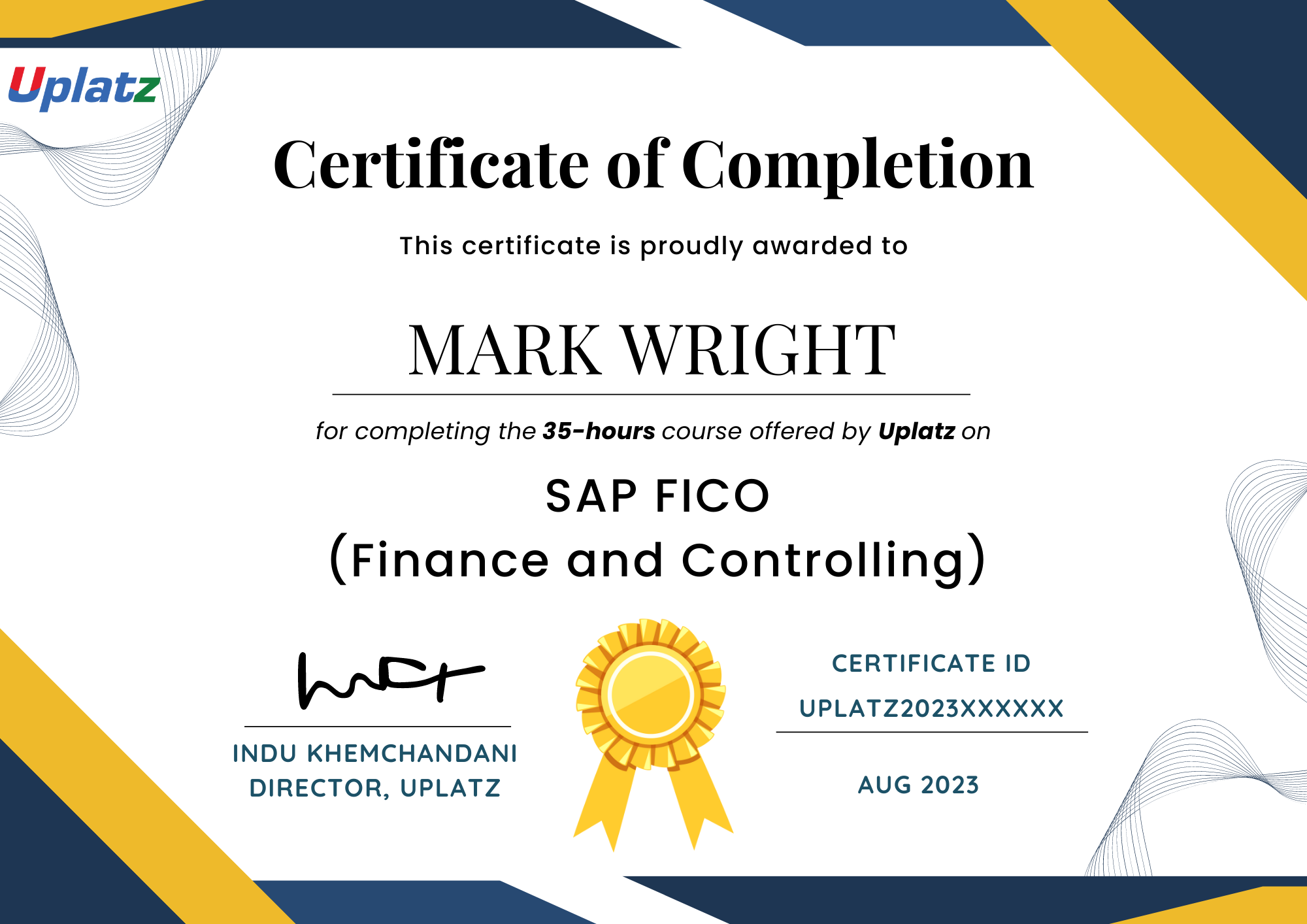
Upon successful completion of the Data Product Manager course, learners will receive a Course Completion Certificate from Uplatz, validating their understanding of modern data product management principles and practices.
This certification demonstrates your ability to manage the lifecycle of data products—combining data expertise, stakeholder communication, and agile execution to deliver solutions that generate tangible business outcomes.
The certificate not only adds credibility to your resume but also enhances your visibility in the job market, particularly as companies increase their investments in data platforms, analytics, and AI/ML-driven products. The course also serves as a solid foundation for those interested in pursuing advanced certifications in product management, analytics, or data science.
Completing the Data Product Manager course opens up a range of exciting career opportunities in the intersection of technology, analytics, and business strategy. As data continues to drive innovation, organizations seek professionals who can lead the development of scalable, data-powered solutions.
After completing this course, learners can explore roles such as:
-
Data Product Manager
-
Analytics Product Owner
-
Product Manager – Data Platform
-
Business Intelligence Product Manager
-
AI/ML Product Manager
-
Data Strategy Lead
-
Data Governance Specialist
Industries across finance, retail, healthcare, logistics, SaaS, and media are actively hiring Data Product Managers to build impactful data solutions that improve decision-making, user experience, and operational efficiency.
Whether you are transitioning from a product, analytics, or engineering role—or seeking to specialize in a growing field—this course equips you with the tools to thrive in today's competitive job market.
-
What is the role of a Data Product Manager in an organization?
A Data Product Manager defines the vision, strategy, and roadmap for data products, aligning business goals with data engineering and analytics teams to deliver impactful solutions. -
Can you walk us through the lifecycle of a data product you've managed?
I define goals, prioritize features, coordinate development, run tests, launch, monitor KPIs, and continuously improve based on feedback. -
How do you define and measure the success of a data product?
Success is measured by business impact through KPIs like user adoption, revenue, efficiency gains, and data quality, supported by user feedback and analytics. -
How do you prioritize features in a data product roadmap?
I use frameworks like RICE and consult stakeholders to balance impact, effort, and business needs, keeping the roadmap adaptable. -
What tools and techniques do you use to validate product hypotheses?
I use A/B testing, user interviews, and analytics tools like Mixpanel to test assumptions and gather feedback early. -
What challenges have you faced in aligning data engineering with product goals?
Balancing technical constraints with business demands and ensuring clear communication and shared priorities between teams are common challenges. -
Describe a situation where you had to make a trade-off between business value and technical complexity.
We launched a near-real-time analytics version first to deliver value quickly, postponing full real-time features to manage complexity. -
How do you work with analytics teams to define KPIs and build dashboards?
I collaborate to identify key metrics aligned with goals and iterate on dashboards to ensure clarity and actionable insights. -
What is your approach to managing data privacy and compliance?
I embed privacy from the start, collaborate with legal teams, enforce access controls, anonymize sensitive data, and conduct regular audits. -
How do you explain complex data concepts to non-technical stakeholders?
I use simple language, analogies, and visuals, focusing on business impact rather than technical details.